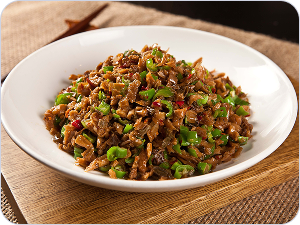
About WeTrip
Your Trusted Way to China
U.S.-registered and backed by Nasdaq-listed WeBuy Global Ltd., supported by professional teams across Singapore, China, and Malaysia.
Follow Us





Here is a chronological introduction to traditional festivals in China throughout the year:
The First Day Of The First Lunar Month, With 4 Days Off For All Citizens (From Lunar New Year's Eve To The Third Day Of The First Lunar Month). As China's Most Important Traditional Festival, Customs Include Posting Spring Festival Couplets, Setting Off Firecrackers, Staying Up Late On New Year's Eve, Paying New Year Visits, And Giving Red Envelopes To Celebrate The Start Of The New Year.

Fireworks Display
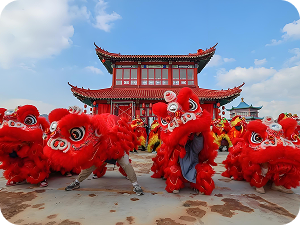
Dragon And Lion Dance
The Fifth Day Of The First Lunar Month, During Which Some Regions Practice Customs Like Seeing Off Poverty And Welcoming The God Of Wealth.
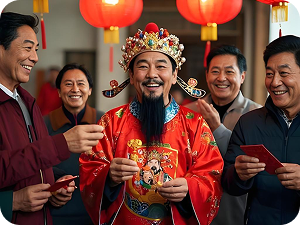
Chinese Lanterns
The 15th Day Of The First Lunar Month (Usually Falling In February). Lantern Festival Marks The End Of The New Year Celebrations And Welcomes The First Full Moon Of The Lunar Calendar.
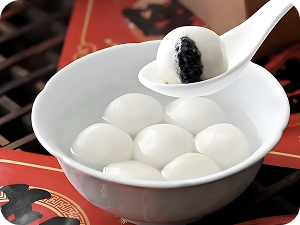
Lanterns Festival
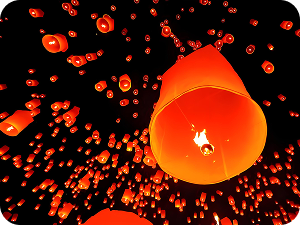
Release Kongming Lanterns
The second day of the second lunar month, also known as the Spring Dragon Festival. Folklore includes getting a haircut ('dragon head shave') and eating longxu mian (dragon beard noodles), implying the dragon's rise and all things reviving, praying for favorable weather and a bountiful harvest.
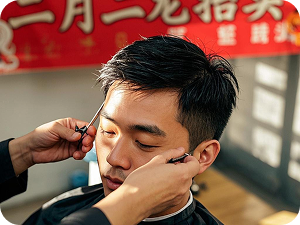
Get a Haircut
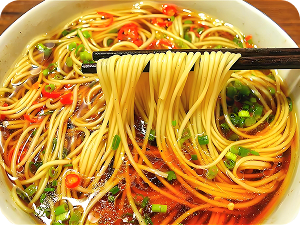
Dragon beard noodles
The third day of the third lunar month. In ancient times, people would wash by the water to exorcise evil, later evolving into a festival for banquets by the water and outings in the countryside.
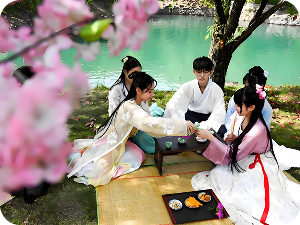
Banqueting by the Water
Around April 5th in the Gregorian calendar, with 1 day off for all citizens on the lunar Qingming day. It is a festival for ancestor worship and tomb sweeping, accompanied by outdoor activities like spring outings, kite flying, and swinging, reflecting the Chinese people's awe of life and death and closeness to nature.
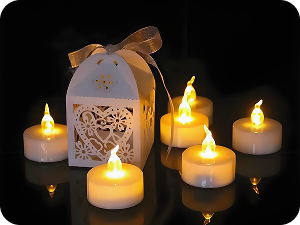
Ancestor Worship
The fifth day of the fifth lunar month, with 1 day off for all citizens. Established to commemorate Qu Yuan, customs include eating zongzi (sticky rice dumplings), dragon boat racing, hanging calamus, and drinking realgar wine, symbolizing exorcism, epidemic prevention, and blessing for health.
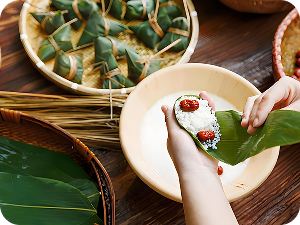
Eating Sticky Rice Dumplings
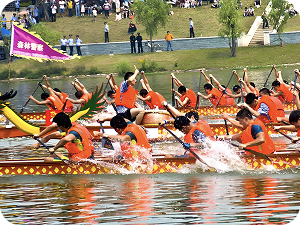
Dragon Boat Racing
The seventh day of the seventh lunar month, also known as the Magpie Bridge Festival or Chinese Valentine's Day. Legend has it that the Cowherd and Weaver Girl meet on this day, and folk customs include women praying for ingenuity and worshipping the Weaver Girl.
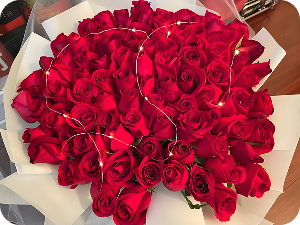
Give Flowers to Your Lover

The Story of the Cowherd and the Weaver Girl
The 15th day of the eighth lunar month, with 1 day off for all citizens. The full moon symbolizes family reunion, and customs include admiring the moon, eating mooncakes, and playing with lanterns, implying family harmony and happiness.
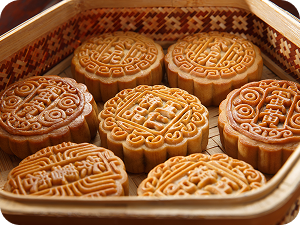
Eating mooncakes
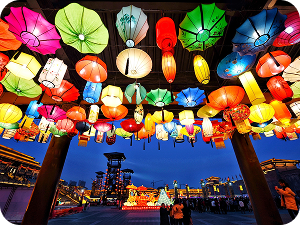
Playing with lanterns
The ninth day of the ninth lunar month, now recognized as China's Elderly Day. Customs include climbing heights, admiring chrysanthemums, wearing dogwood, and eating Chongyang cakes, expressing respect for the elderly and praying for longevity and warding off evil.
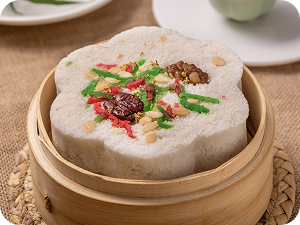
Eating Chongyang cakes
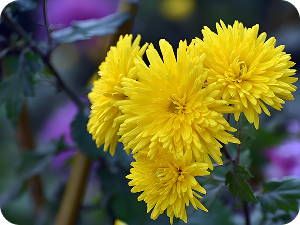
Admiring chrysanthemums
The eighth day of the twelfth lunar month, with customs like eating Laba porridge and pickling Laba garlic, marking the beginning of Spring Festival preparations.
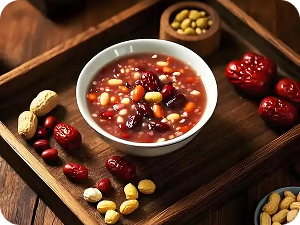
Eating Laba Porridge
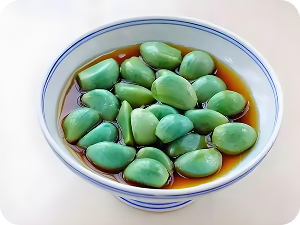
Pickling Laba garlic
The 23rd or 24th day of the twelfth lunar month, a day for folk Kitchen God worship. People clean their homes and offer sacrifices to the Kitchen God, praying for family peace.
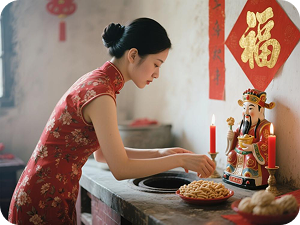
Offer sacrifices to the Kitchen God
The last day of the lunar year, sometimes with 1 day off. Families gather for the reunion dinner, stay up late to welcome the new year, and usher in the Lunar New Year together.
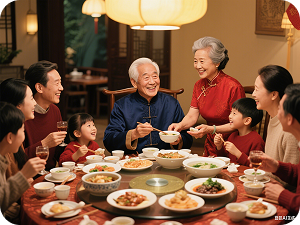
Eat on new year's Eve






About WeTrip
Your Trusted Way to China
U.S.-registered and backed by Nasdaq-listed WeBuy Global Ltd., supported by professional teams across Singapore, China, and Malaysia.
Follow Us